
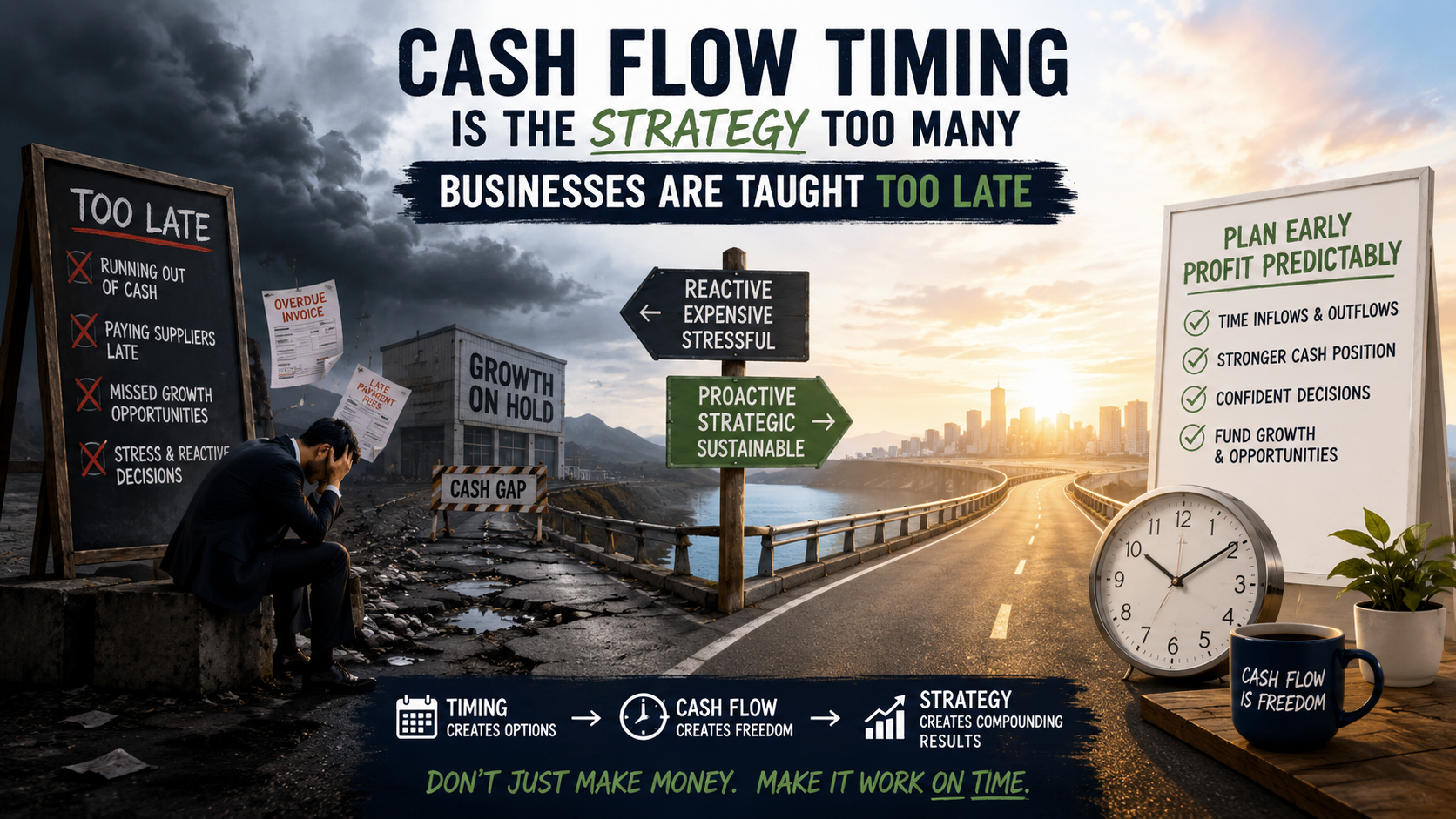


The moment of payment should be the cleanest part of commerce. A service has been delivered, a product has been sold, value has changed hands, and money should follow. Yet for too many small businesses, freelancers and workers, getting paid is not a moment at all. It is a process: chasing, waiting, reconciling, borrowing, apologising to one’s own suppliers and sometimes quietly absorbing the loss.
This is the hidden economy of payment friction. It does not appear neatly on a card terminal receipt or a bank statement. It sits in delayed payroll decisions, postponed hiring, personal credit cards used as working capital, and the emotional cost of opening a banking app with one eye closed. In the UK, late payments remain one of the most persistent constraints on small business growth. A 2025 FSB-commissioned survey found that 60 per cent of small business owners said late payments were holding back growth, while 63 per cent spent time chasing overdue payments.
The real cost of getting paid is not simply the fee attached to a transaction. It is the inequality of control. A payment method is not just infrastructure. It is a cultural signal about who has power, who gets trusted, who waits, and who gets to move quickly.
Large organisations talk about innovation in payments, automation and open banking; smaller businesses ask more basic questions. Why has this invoice not cleared? Which payment method should I offer? What does the fee really mean? How do I protect cash flow without damaging a client relationship? These are not unsophisticated questions. They are operating questions. And in a digital economy, operating knowledge has become a form of capital.
The UK has made real progress on payment infrastructure. Faster Payments changed expectations around bank transfers. Open banking — which allows customers to share banking data securely with regulated third parties — has created new possibilities for cheaper, faster and more flexible payments. The FCA and Payment Systems Regulator said in 2025 that open banking had more than 11.7mn active users and that open banking payments exceeded 22.1mn a month. Variable recurring payments, which allow consumers to authorise flexible bank payments within agreed limits, could give businesses an alternative to card-based models and reduce some processing costs.
But better rails do not automatically create fairer outcomes. The existence of a tool does not mean people can use it well, trust it, or negotiate around it. This is where the payments debate often loses its human centre. Policymakers and industry leaders can be tempted to assume that if infrastructure improves, inclusion follows. It does not. Inclusion follows when people have the skills, confidence and bargaining power to benefit from infrastructure.
That gap is now visible across the workforce. The government has acknowledged that digital exclusion still affects one in four Britons, with digitally excluded consumers facing higher costs for essentials such as insurance, travel and food. Ipsos research for Lloyds Banking Group also found that while 82 per cent of UK adults had the essential digital skills needed for work in 2024, only 48 per cent could complete the full set of 20 workplace digital tasks measured. The same research pointed to a widening gender divide: 52 per cent of men could complete all 20 tasks, compared with 44 per cent of women.
Those figures should disturb anyone who believes financial inclusion can be solved by product design alone. Payments are becoming more digital, more automated and more data-driven. At the same time, the people most likely to be underpaid, undercapitalised or underrepresented are often expected to navigate these systems with the least training. Women, migrants, younger workers, creative freelancers and microbusiness owners are told to be resilient. Too often, resilience is just the polite word for absorbing costs that better-resourced actors have outsourced onto them.
Late payment is the clearest example. The government’s 2024 package on late payments noted that poor payment practices cost SMEs thousands of pounds a year and drag on productivity, while FSB research has repeatedly shown that late payment affects millions of small firms. The Small Business Commissioner’s 2025 research estimated late payments cost the UK economy almost £11bn a year, with 14,000 businesses closing annually because of them. It also estimated that affected businesses spend an average of 86 hours a year chasing late payments.
Eighty-six hours is not an accounting inconvenience. It is two working weeks.
The cultural damage is harder to measure but just as serious. When a small supplier waits 60 days to be paid by a larger client, the message is not merely financial. It says: your time is flexible, your margin is negotiable, your anxiety is not our problem. That power asymmetry undermines trust in markets. It also limits ambition. A founder who is constantly chasing cash cannot plan. A freelancer waiting on payment cannot invest in training. A worker with low financial confidence is less likely to challenge unfair terms, compare products or use new tools effectively.
This is why payment reform must be treated as a skills and equity issue, not only a technology or compliance issue. We need stronger enforcement against poor payment practices, but enforcement alone will not close the gap. We need digital financial skills embedded into workforce development, enterprise support and procurement standards. If a business is expected to adopt new payment tools, it should also be supported to understand settlement times, chargeback risk, direct debit mandates, fraud exposure and cash-flow forecasting. These are not niche financial topics. They are basic survival knowledge in a digital economy.
Industry has a role here too. Banks, FinTechs and payment providers like to speak about empowering users. Empowerment should mean more than a smoother interface. It should mean transparent pricing, plain-language explanations, accessible education and product journeys designed for people who do not already speak the language of finance. There is no virtue in making a payment experience feel effortless if the economics remain opaque.
The UK has an opportunity to lead on this, precisely because it has both sophisticated financial infrastructure and a large base of small businesses exposed to payment friction. But leadership will require a broader definition of innovation. Faster payment rails matter. So do fairer payment terms. Open banking matters. So does the ability of a young founder, a salon owner, a designer, a care provider or a self-employed consultant to understand which payment method gives them control rather than merely convenience.
The question is not whether money can move faster. It can. The question is whether the gains from faster money will reach those who have historically paid the highest price for waiting.
That is the reckoning now facing policymakers, regulators and industry. If we continue to treat payments as plumbing, we will miss the politics of who gets liquidity and who gets delay. If we treat getting paid as a matter of dignity, productivity and access, we may build something more durable than another clever payment product. We may build a market in which the smallest participant is not always the cheapest source of credit.