
November 21, 2026
Explore lessons, signals, capsules, role-based-paths, guides, and more in our curated collection.
No products in the cart.
Explore lessons, signals, capsules, role-based-paths, guides, and more in our curated collection.
No products in the cart.

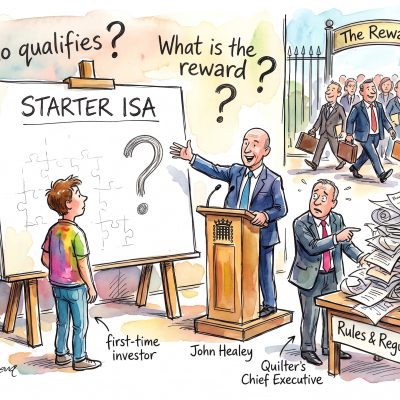
Mortgage rates priced in the first Bank Rate rise in three years well before 5 November; SMB overdrafts, revolving credit and invoice finance typically reference Bank Rate itself, so they began repricing on the day.
What happened
On 5 November the Bank of England raised Bank Rate by 25 basis points to 4%, its first rise since August 2023. All nine MPC members voted to raise: eight for 4%, Catherine Mann for 4.25%. The minutes split on what follows. Greene, Lombardelli and Pill signal further rises; Taylor calls it “one-for-now”. The Bank projects CPI near 5% by mid-2027. Lloyds says variable business loan and overdraft rates usually change straight away after a decision.
Why it’s the signal
The decision did not reach every borrower on the same day. Mortgage rates priced the rise in advance: benchmark two-year rates climbed nearly 50 basis points between early September and the decision. Some new SME lending moved early too, with the Bank’s effective rate on new SME loans rising from 6.18% in May to 6.61% in July. The variable book could not. Overdrafts, revolving credit and invoice finance are typically priced as a margin over Bank Rate or SONIA, and Bank Rate sat at 3.75% from December 2025 until the decision. The November Report makes the point directly: “corporate bank lending rates often reference Bank Rate”. For those lines, 5 November was the repricing date.
What it tells us
The story isn’t a quarter-point rise. It’s that SMB borrowing costs run on two clocks, and this cycle has started both. Fixed-rate debt reprices at renewal, off a market curve about 60 basis points higher than in July. Variable debt reprices at each MPC decision, into a market already tightening: in the Bank’s Q3 Credit Conditions Survey, lenders reported small-business credit availability falling and expected a further fall in Q4. Those variable lines fund working capital, so the cost of carrying an unpaid invoice rose from 5 November. Statutory late-payment interest did not move: it stays at 11.75%, 8% over the Bank Rate in force on 30 June, for every debt falling overdue from July to December.
Watch list
26 November. Financial Stability Report: the FPC’s first assessment since the rise.
30 November. October Money and Credit: the last pre-rise read on SME loan rates.
17 December. Next MPC decision. The Bank Rate in force on 31 December sets statutory interest on debts falling overdue from 1 January: 12% if it stays at 4%.
© 2026 Vogue Boost